

One of the key principles in the world of graphic design, and more specifically in bottle design, is that it be easily recognizable from a distance . This is the case with many of the alcoholic and non-alcoholic beverage bottles we find on the shelves of shops and supermarkets around us.
Both the bottle shape and the label design are crucial if we want our brand to stand out . Every beverage brand needs a specific presentation. There are several tips for creating effective bottle designs, so let's explore some of them.
Is good bottle design important?
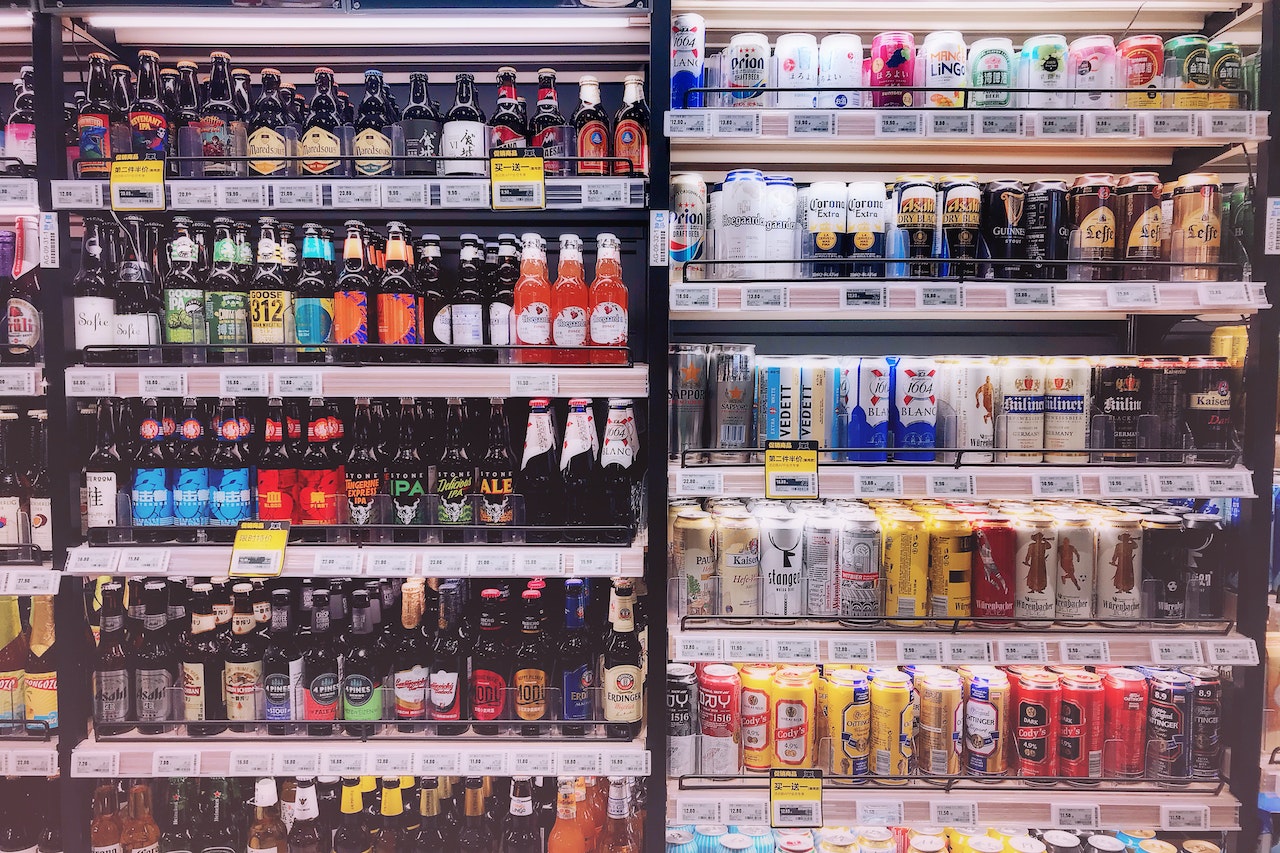
If you have a project that involves designing a bottle for a new beverage, or you want to surprise someone by giving them a bottle with a unique design, it is essential that you design the label or bottle correctly.
Both the bottle labels and the container itself are two design tools that will give you the possibility of creating truly eye-catching designs , where you can include your brand's visual identity or a message that your entire audience can remember.
Designing both the label and the bottle is a really simple process; depending on your needs, you'll choose one or the other . Both processes are very straightforward. With basic design software skills, you'll be able to create unique, distinctive designs that will resonate with your target audience.
Tips to start designing labels or bottles

The labels on any bottle we find in stores are one of the most important details when it comes to presenting the product to the customer. When customers pick up a bottle, they notice the labels, not only to learn about the ingredients, but also, in many cases, because of the design. Many consumers judge a product by its packaging at first glance.
In recent years, self-adhesive labels have become very popular on various bottles, such as those for wine, cava, oil, and so on. They serve as the product's calling card and are responsible for attracting the attention of passersby. They must pique their curiosity while also conveying the right message.
prior knowledge
The first thing we want to make clear is that, while having some basic knowledge of the design world is essential, it's vital to have a clear understanding of the fundamental principles of graphic design. This includes knowing about composition, using different typefaces, printing methods, and the process of creating and reproducing packaging.
You might be wondering if it's really necessary to have all this knowledge, and we really do see it as necessary, since, when communicating with the company in charge of printing, it will be much smoother and we can convey how we want the final product to be.
Research and references
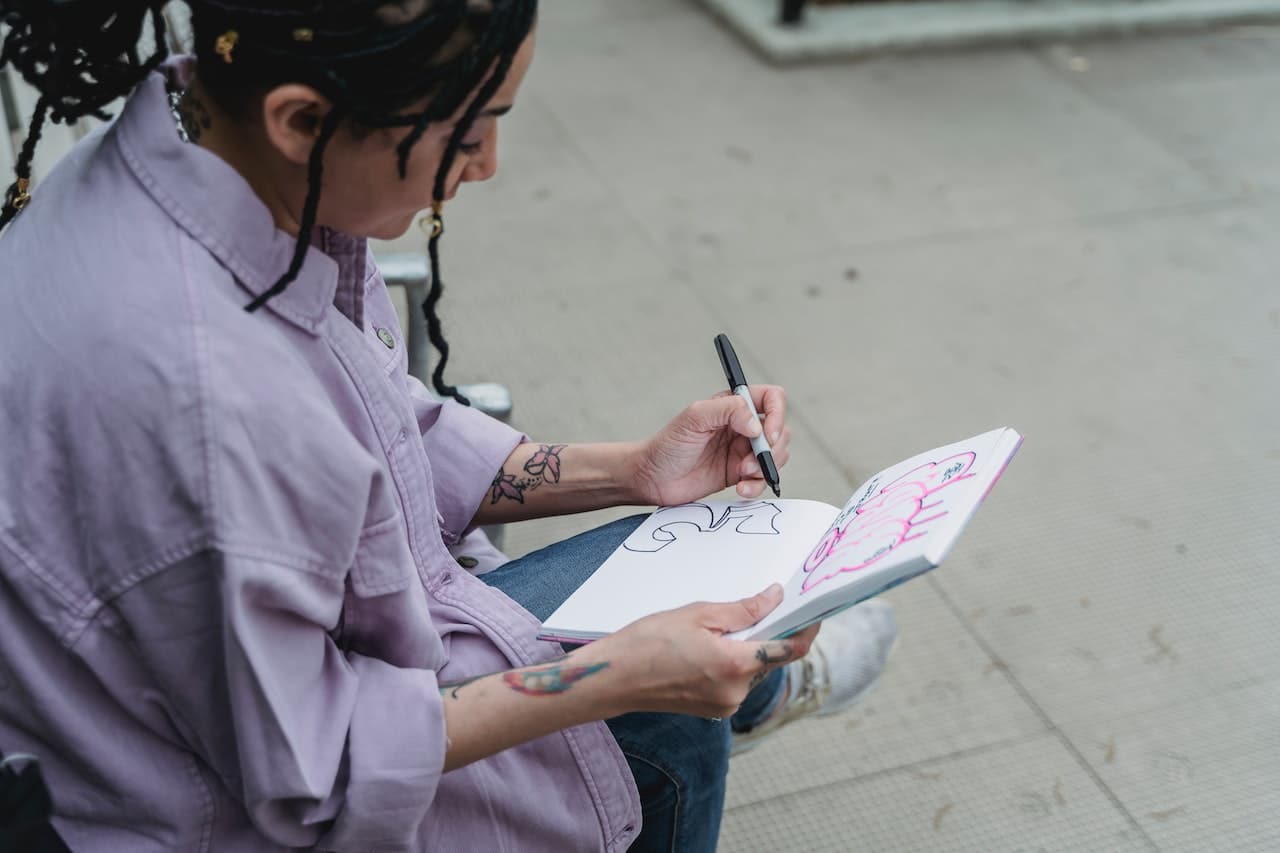
A second piece of advice that we believe is essential, and which we repeat in many of our publications on design processes, is to conduct a research phase, both on ourselves as a brand and on the competition. It's crucial to differentiate ourselves from the rest, and innovation is the key to achieving this; that's why the phase we just mentioned is so important.
Once this research phase is complete, we will proceed to a stage where we gather different references, noting what works with our idea and what we absolutely do not want . In addition to all this, understanding the production process is also very helpful.
Find your own style
As we mentioned, it's always a good idea to look for inspiration on what you like and what you don't. This will help you move more effectively towards a style that's completely personalized for your design.
You can personalize your design in many ways using various design elements, such as combining fonts, creating a custom color palette for your brand, designing a mascot, and more. You could spend hours refining and redesigning your bottle to your heart's content. It's essential to know what you're looking for and what you want to achieve with your design so that the process of finding your style is much smoother.
An otherworldly design
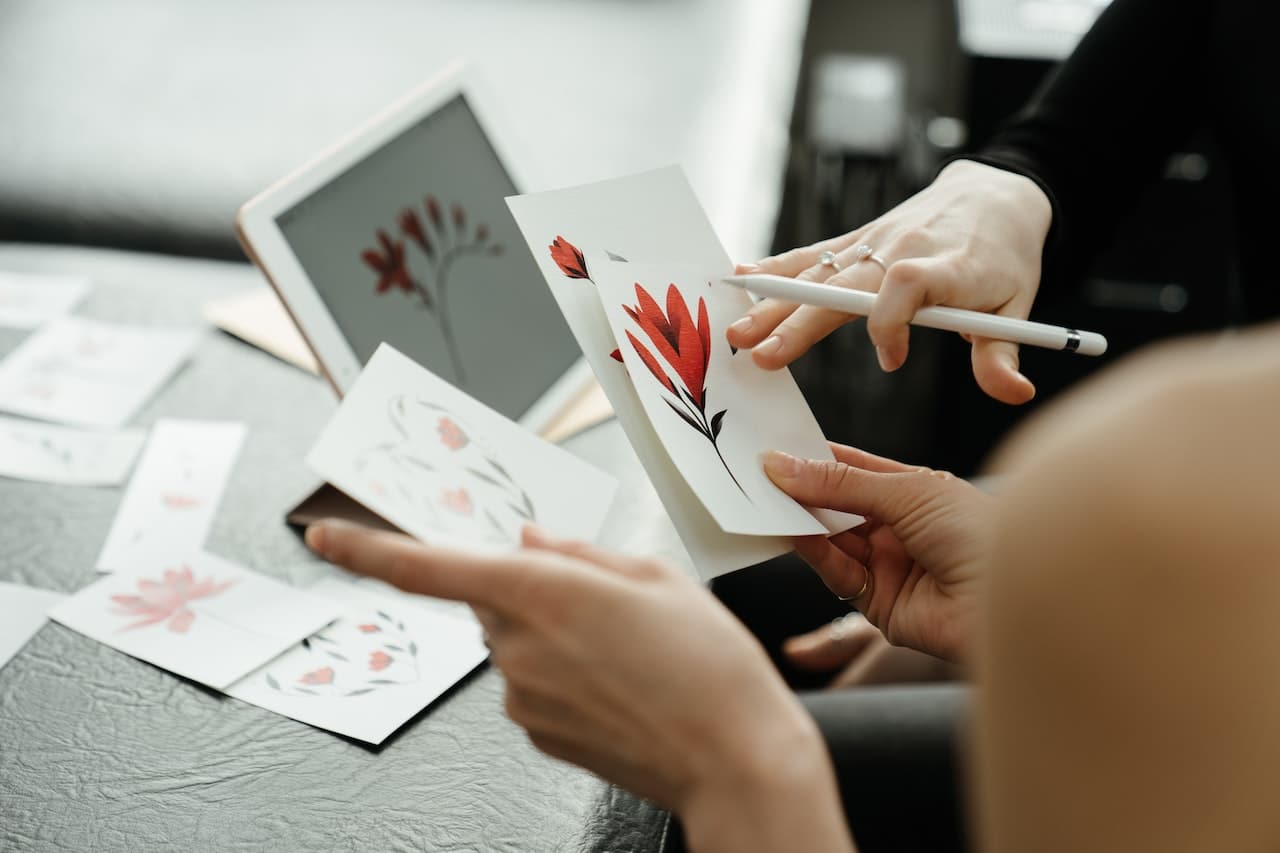
Gone are the days of classic designs that only displayed the brand name and ingredients. Considering everything we discussed in the previous point, you need to create an otherworldly design, one that will make consumers, upon seeing it on supermarket or store shelves, immediately want to add it to their shopping cart.
Make yourself stand out, stand out from your competition and take on the world.
Finally, remember to consider the dimensions of both the bottles and the label if that's the medium you're designing. Keep in mind that all elements should be coherently related and clearly visible.
Examples of bottle designs
Following these tips on what to consider when designing a beverage label or bottle, we bring you a small compilation with some examples showing different designs to inspire you and even provide some of their elements as a reference.
Rum bottle design for cocktails – Marco Bogari
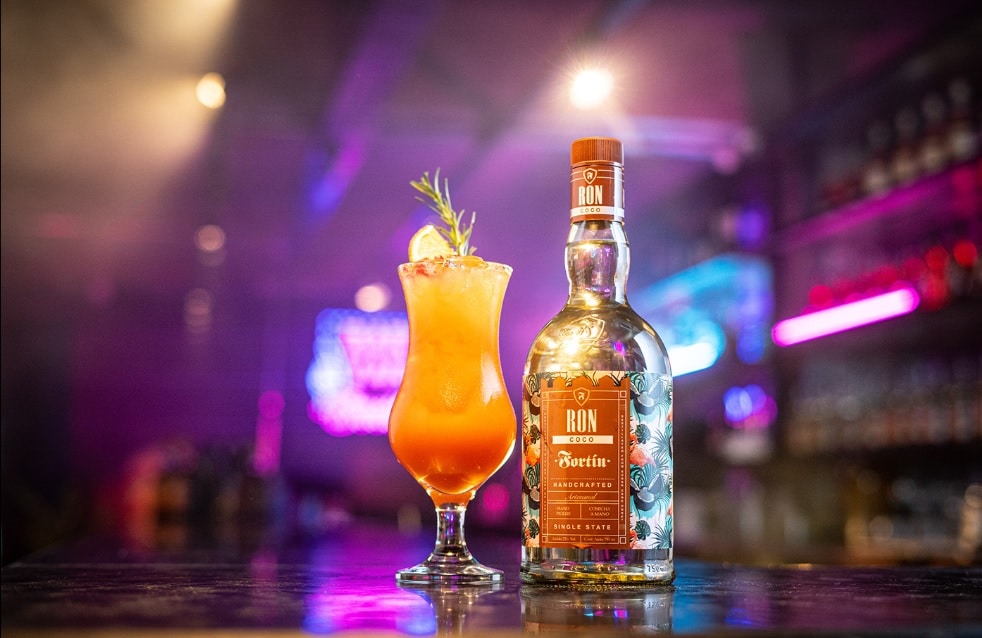
www.behance.net marco bogarin
Wine bottle label – Ero Ortiz
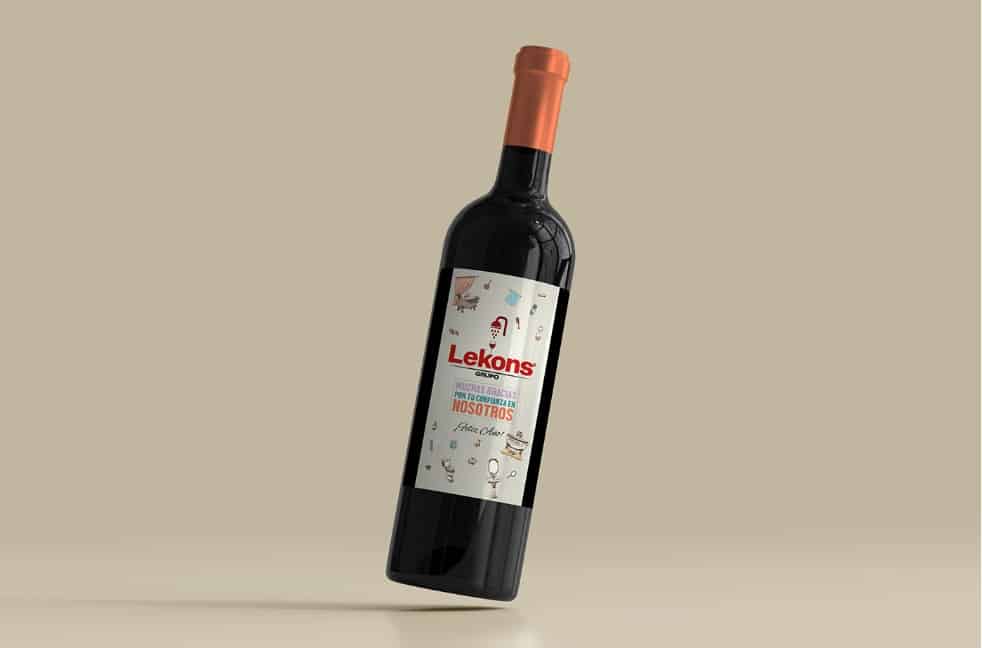
www.behance.net Ero Ortiz
Bottle design for juices – Hector Eduardo Escobar Gomez
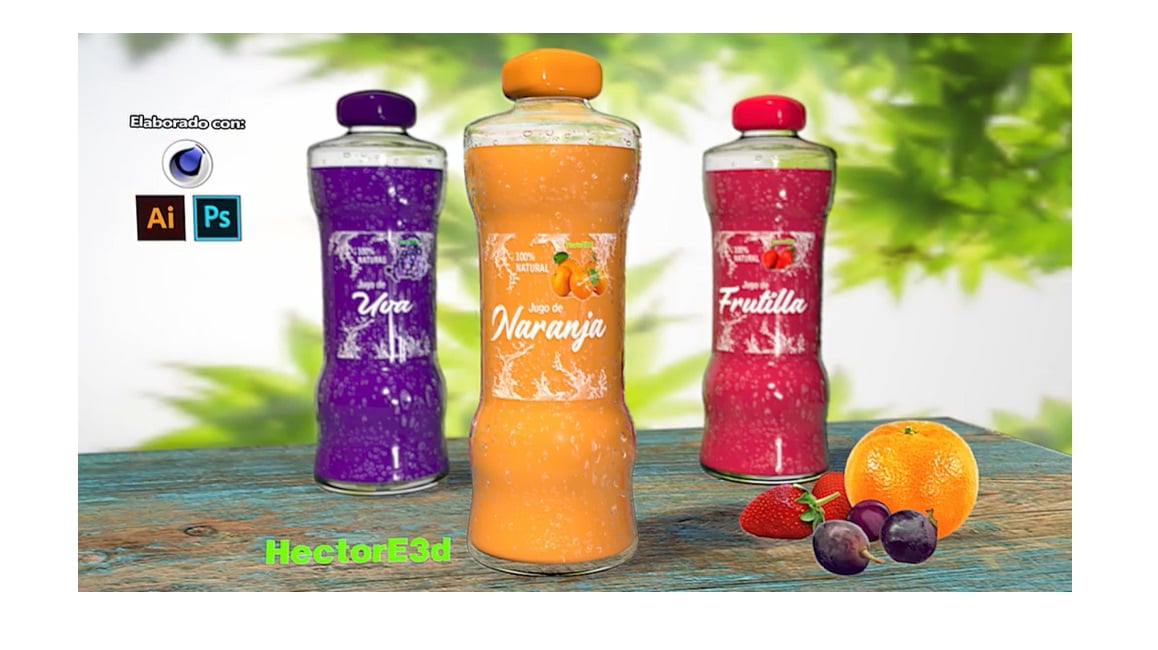
www.behance.net Hector Eduardo Escobar Gomez
Water bottle design project – Giovanna Alvarado

www.behance.net Giovanna Alvarado
Mezcal Design 1903 – Cesar Nandez
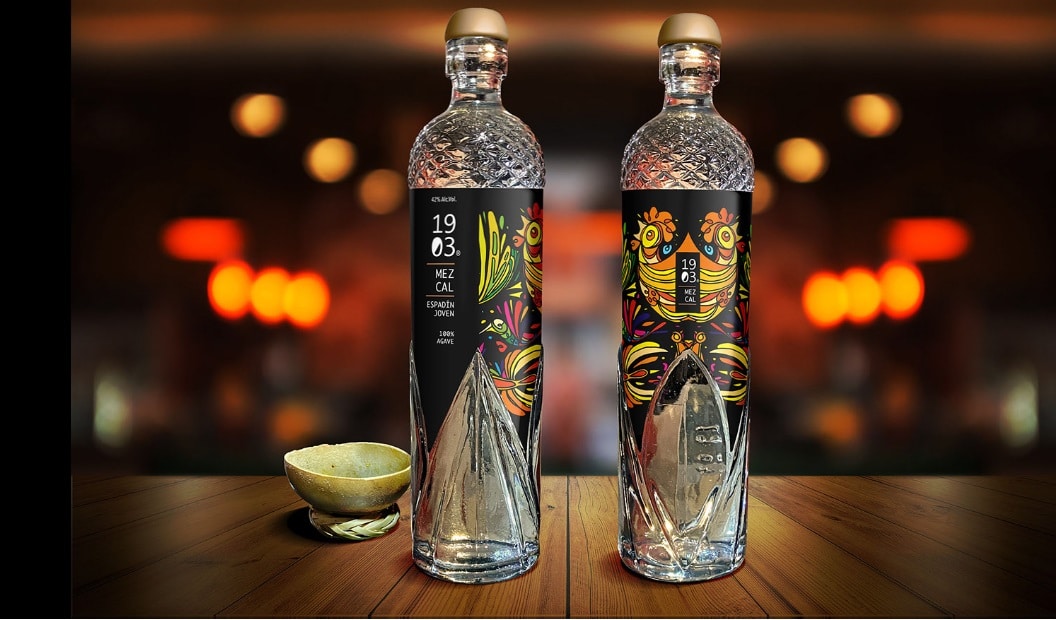
www.behance.net Cesar Nandez
Anniversary bottle – Lato Estudio
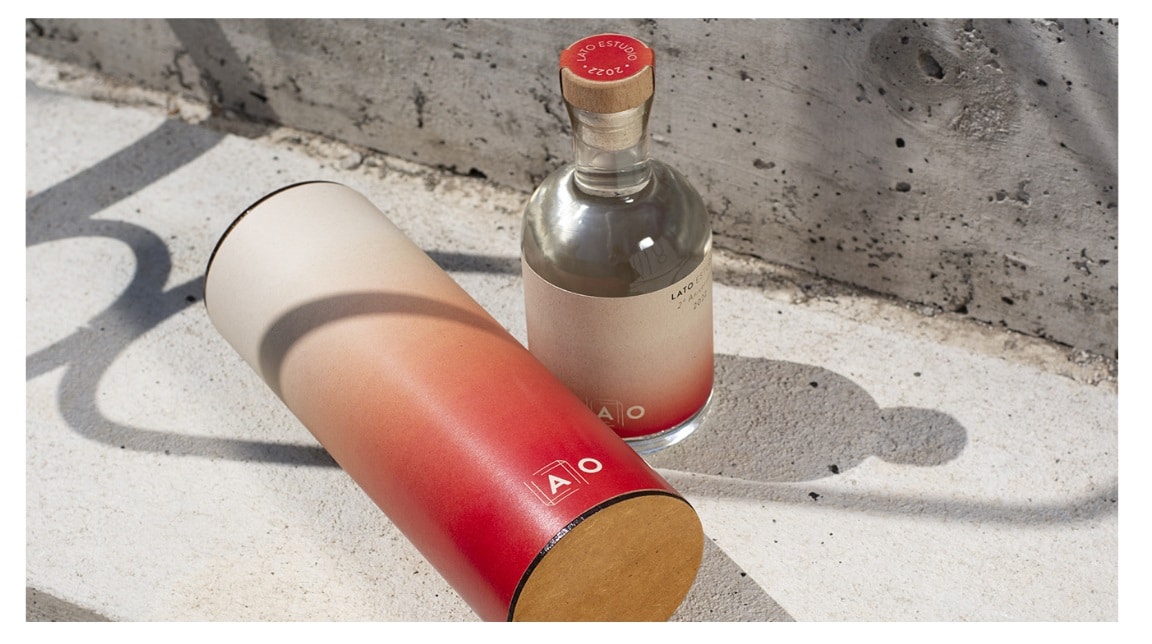
www.behance.net Lato Studio
Whether it's a custom label for a water bottle or a design for a major soda or beverage brand, you should enjoy the design process at hand. It has to be an easy, enriching work process that adds to your training. As we all know, there are endless creative opportunities to create truly original, creative and unique designs.
Table of Contents