

I'm sure many of us have seen websites, emails, or examples on our phones with still images that appear to be moving, or scenes that stick in our minds. These types of images that trick our brains are known as optical illusions , but do we really know what they are, how they work, and the different types that exist? We'll answer all these questions in this post.
Optical illusions are images that allow us to see things we aren't actually seeing, which can be quite confusing . These types of images have gained popularity over the years, especially with the development of the digital world. However, these images aren't only found online; many of them are all around us in our daily lives.
When we look at an image, information about what we are seeing travels from our retina to the brain . This information is processed, and the brain is responsible for interpreting everything sent, even trying to make sense of certain images that initially seem incoherent.
What is an optical illusion?
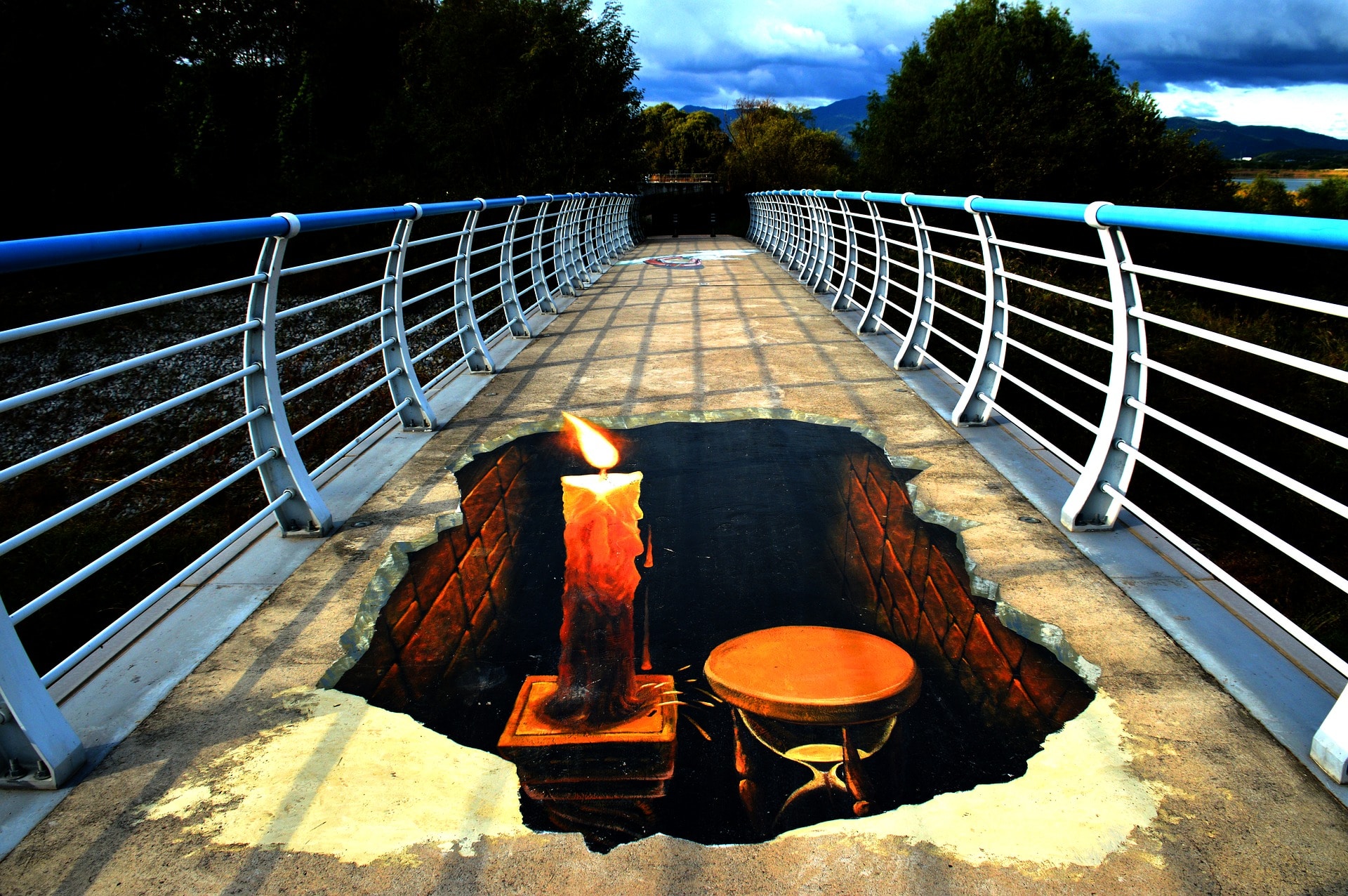
It's highly likely that at some point, any of us have encountered optical illusions. As mentioned earlier, we can find these types of images in our daily lives . However, not everyone knows exactly what they are or how they work. In this section, we'll try to clear up any doubts you may have about this type of effect.
Optical illusions are images or visual perceptions that can deceive our visual system due to their composition or characteristics , which change depending on the perspective from which we view them, potentially leading to a distorted perception of reality. This effect occurs because the retina, in certain cases, is easily tricked through the use of effects that alter the perception of an object, scene, or environment.
These types of effects can occur naturally or be created using visual effects . This is truly amazing, to the point where we can perceive an object or image that isn't actually there.
Why do these types of effects occur?

Optical illusions occur when we are shown different shapes in a single image, and our brain gets confused trying to understand it . This happens because the brain tends to interpret images based on its own prior experience.
One positive aspect of these types of effects is that they have helped many scientists understand the workings of both our nervous and visual systems . Our brain is responsible for gathering all the information displayed in an image: shapes, colors, movements, composition, and so on. If disparate shapes are perceived in the same image, it is the brain that must react to this, and sometimes it provides a somewhat confusing solution, such as adding movement to an image that doesn't actually have it.
In summary, optical illusions occur when there is a lot of information and our mind is not able to process it , so it is transformed and interpreted in the most logical way, or not, depending on how we think it is possible.
Types of optical illusions
There are several different types of optical illusions we can encounter, as they are classified into different groups depending on the effect they produce on our minds, as we will see below. The effect these illusions produce depends on how well they can deceive us.
cognitive illusions
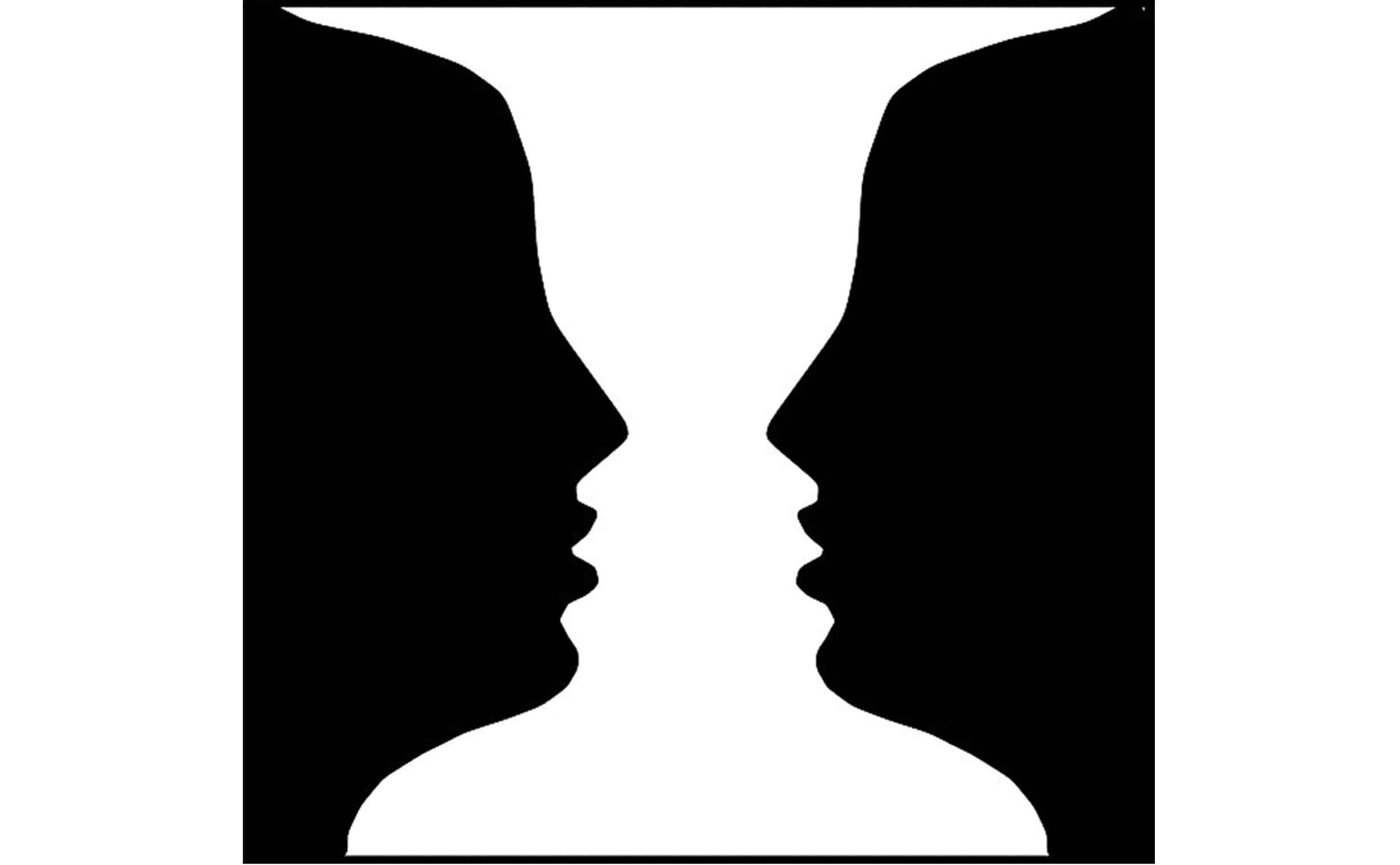
https://www.pinterest.es/
These types of illusions occur when we interpret our own reality . Our mind fills in the missing information in the image it is processing. Within this group of illusions, we can also find:
- illusions of ambiguity: they are images that present two alternatives of perception in a non-simultaneous way, that is, you are seeing two different images depending on the approach and perspective with which you do it.
- distortion illusions: The effect focuses on perception errors such as size, length, curvature, etc.
- paradoxical illusions: those that present in our mind illogical images, impossible things.
- fictional illusions: The images that are perceived are not real. Also known as hallucinations, they are related to moments of mental alteration.
physiological illusions
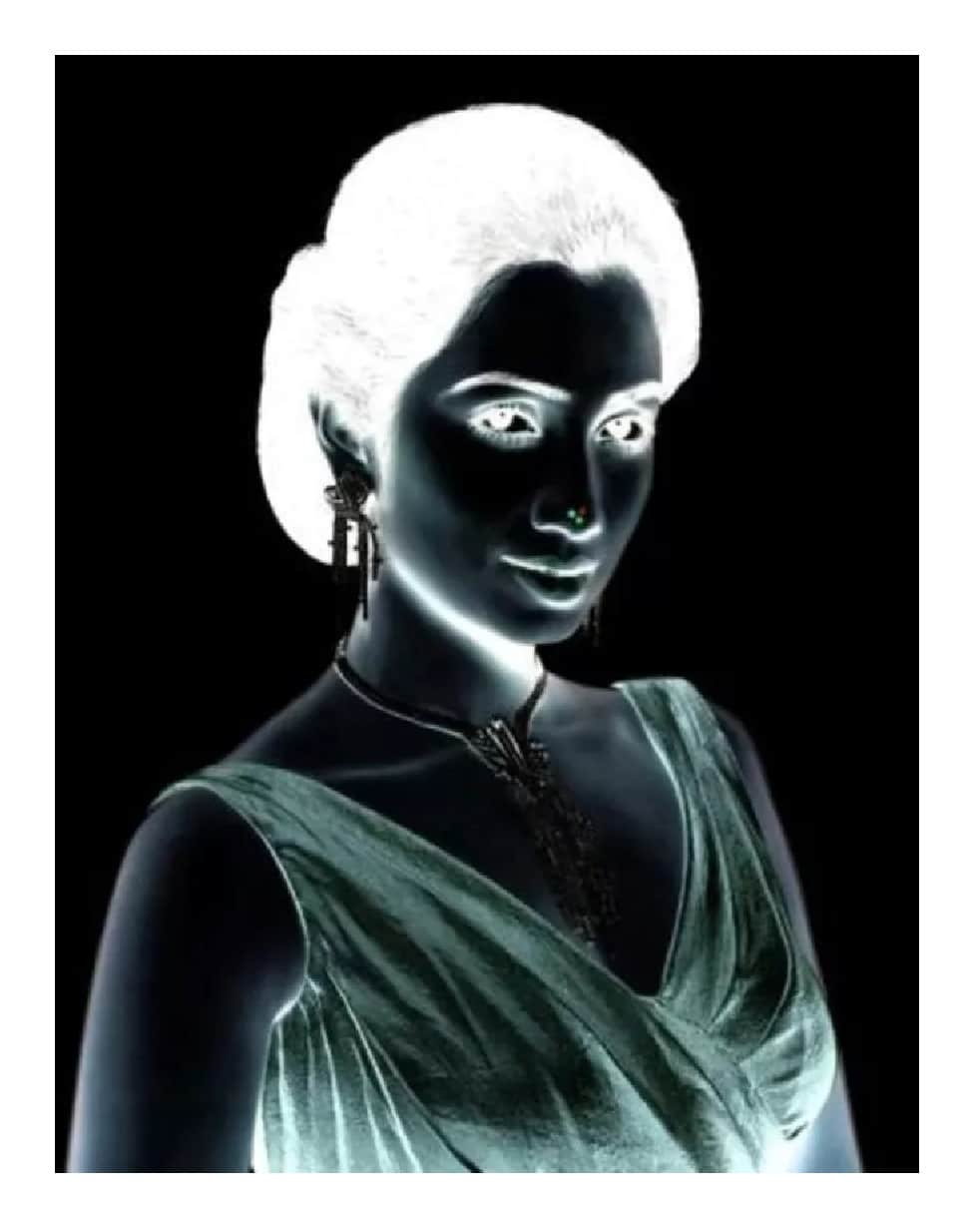
Also known as afterimages, these are the images that remain in our minds after observing a particular image or luminous object. This occurs when viewing scenes with bright light, similar colors, or dramatic changes between images or moments.
This has an explanation, and it is because our nervous system receives a large number of signals repeatedly about a certain stimulus and a lack of communication between the two hemispheres of our brain begins.
examples of optical illusions
Next, in this last device we are going to show you some different examples of really amazing optical illusions. Currently in the art world, it is very common to find this type of effect.
Optical illusion circles between the rectangles
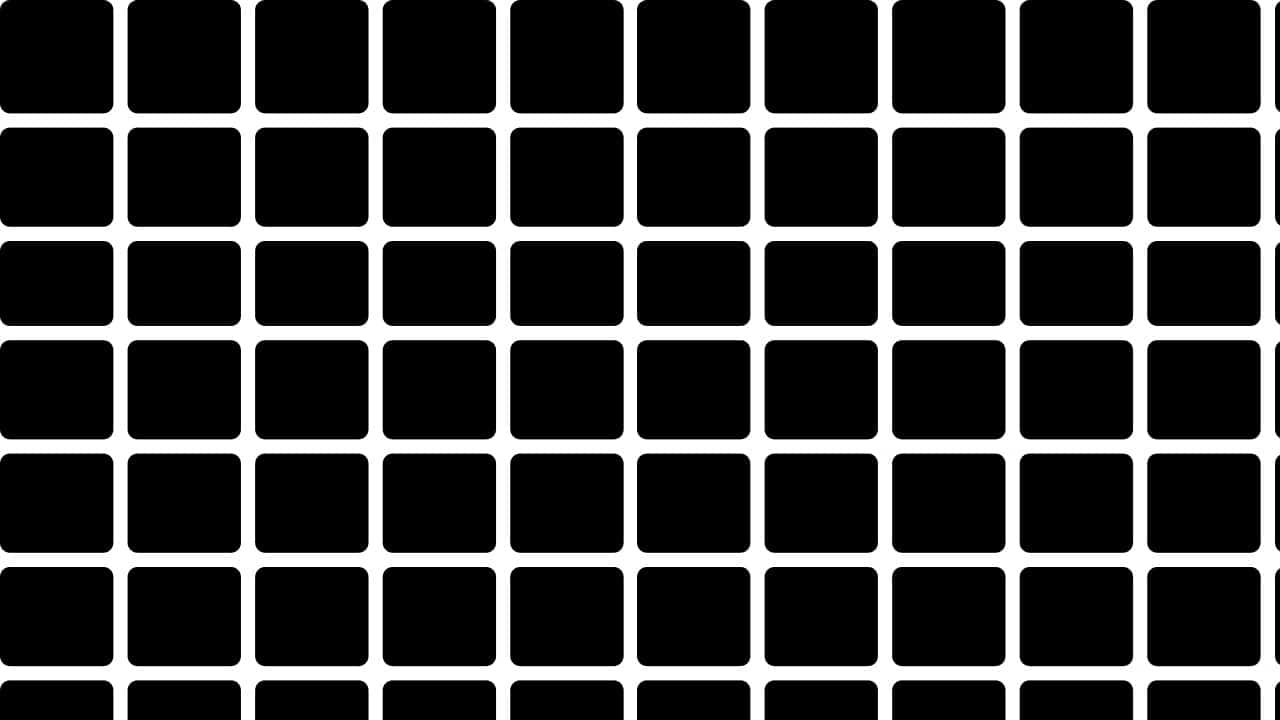
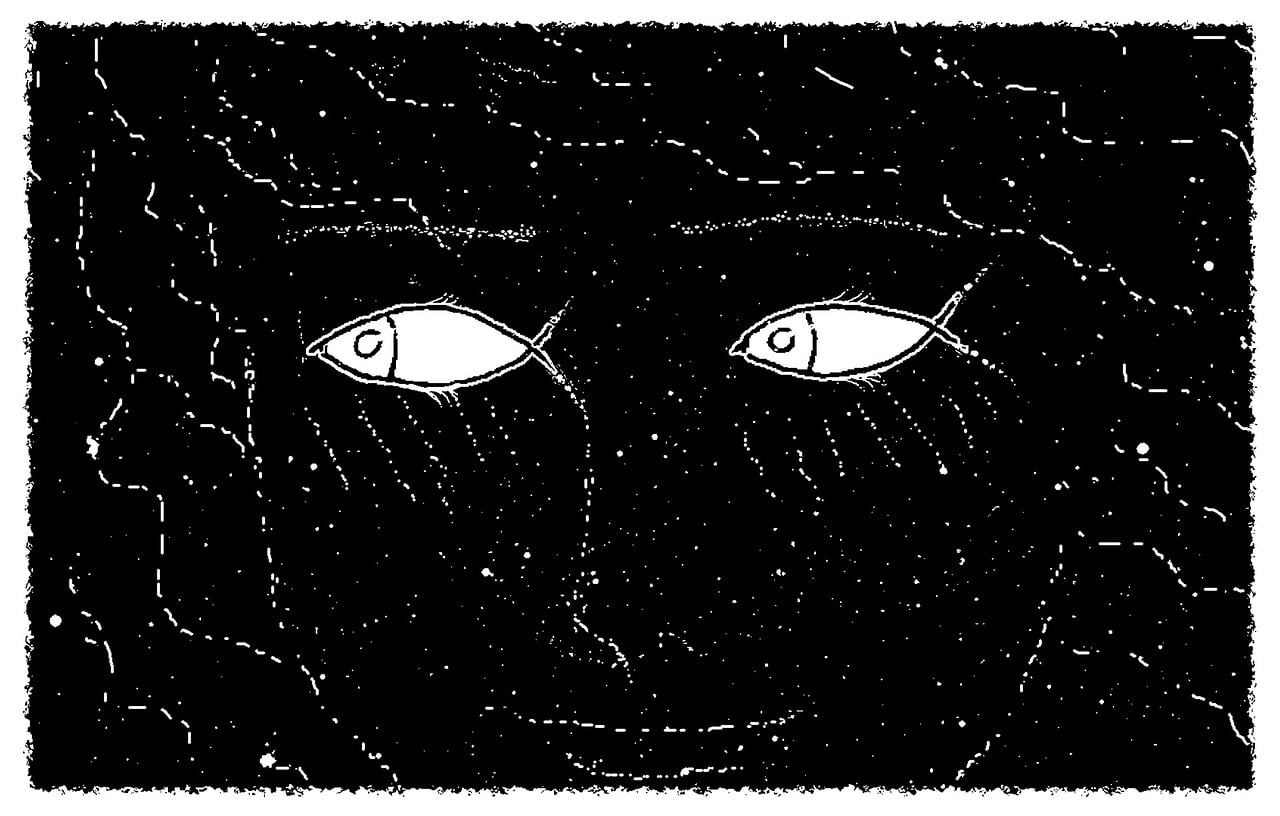
Fairy tale optical effect
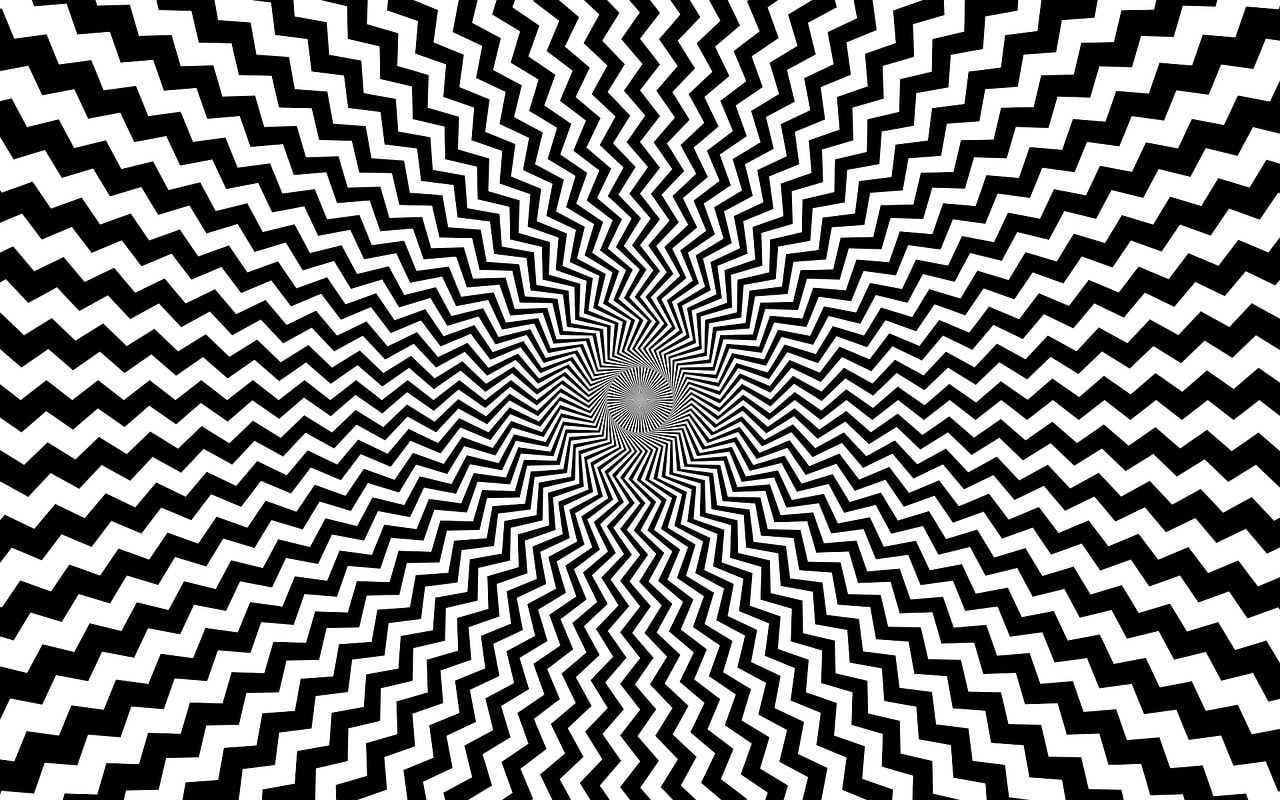
Optical illusion spiral movement
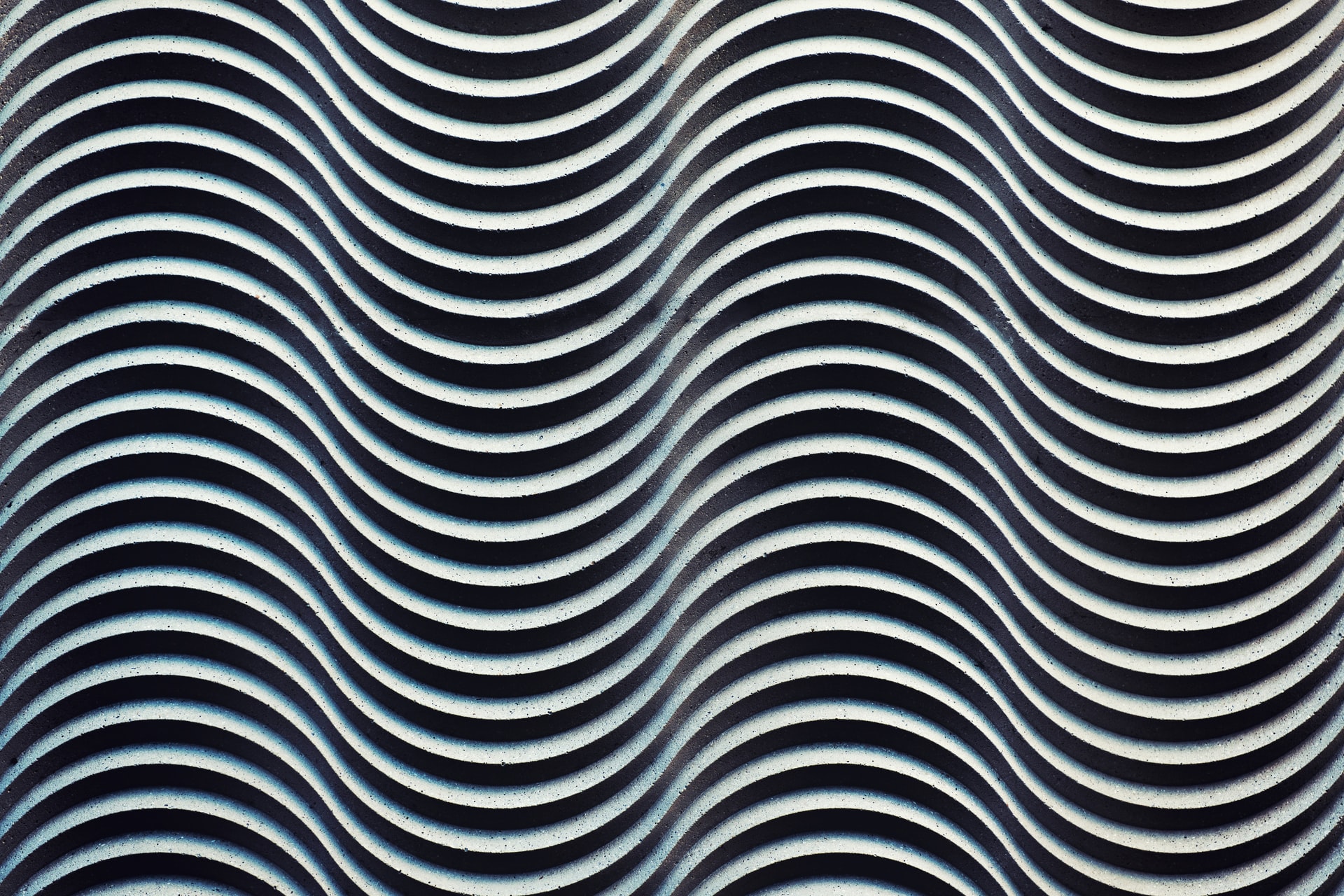
volume optical effect
Optical illusion moving circles
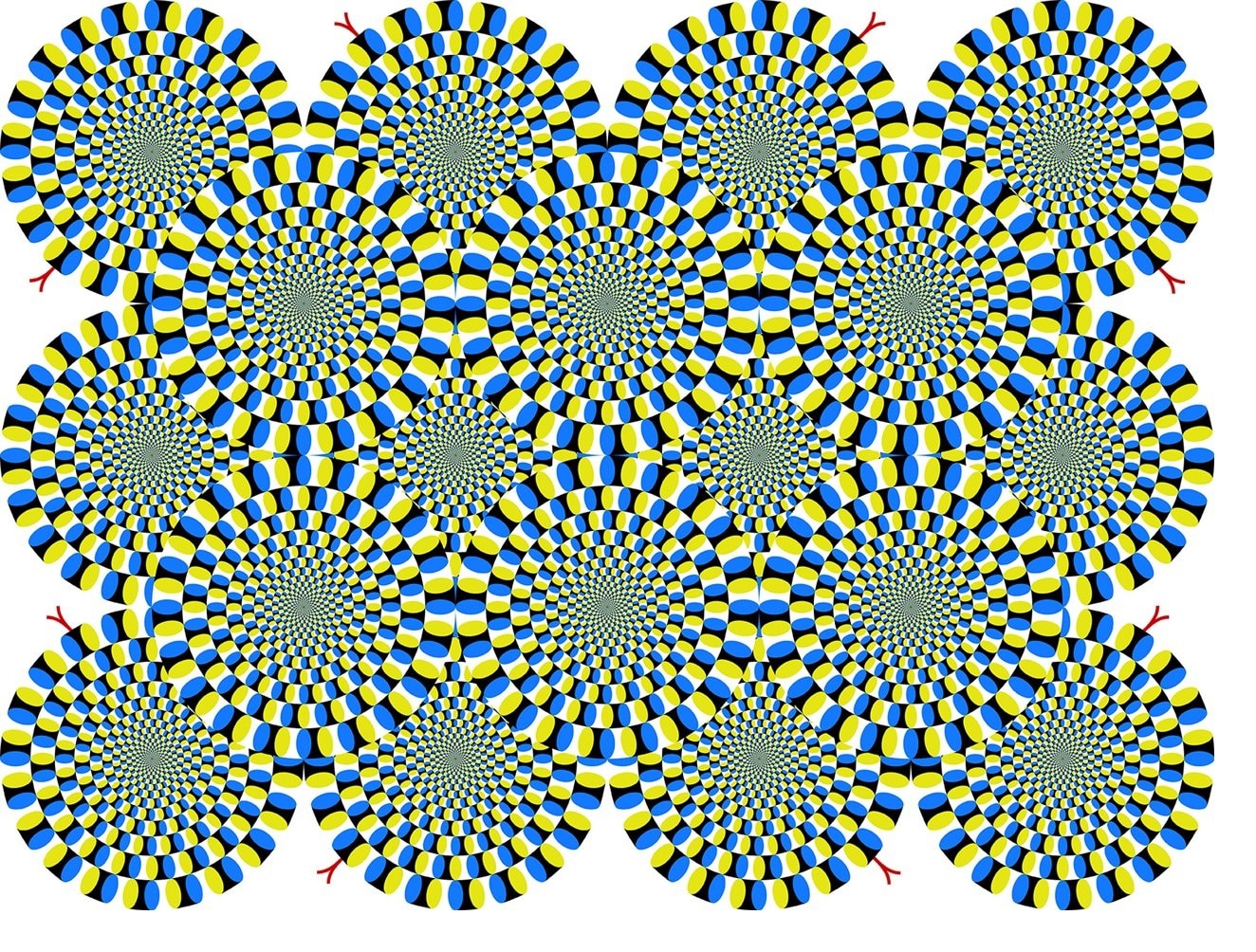
https://www.nationalgeographic.com
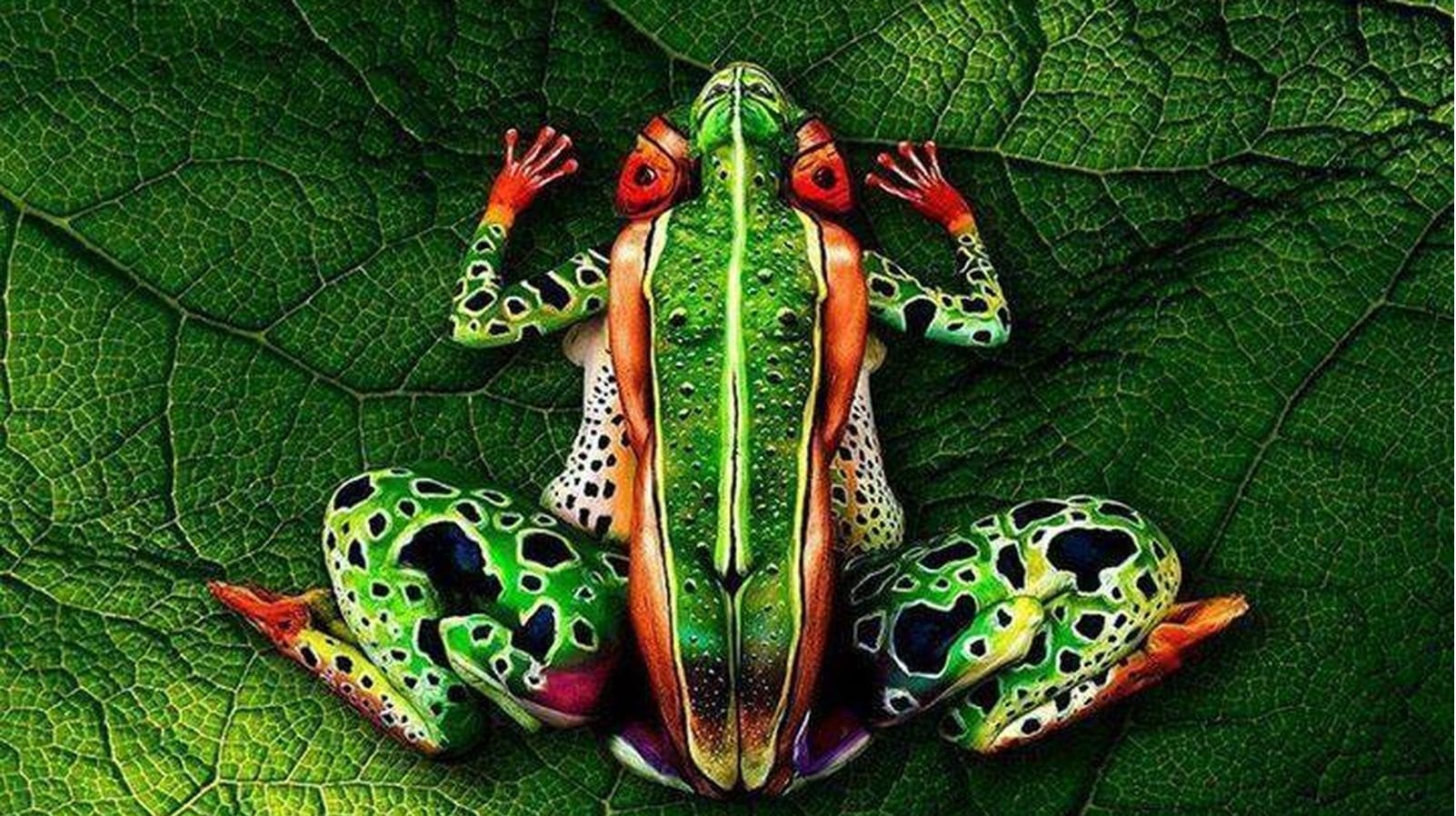
Visual effect Are you sure it's a frog?
https://www.elconfidencial.com/
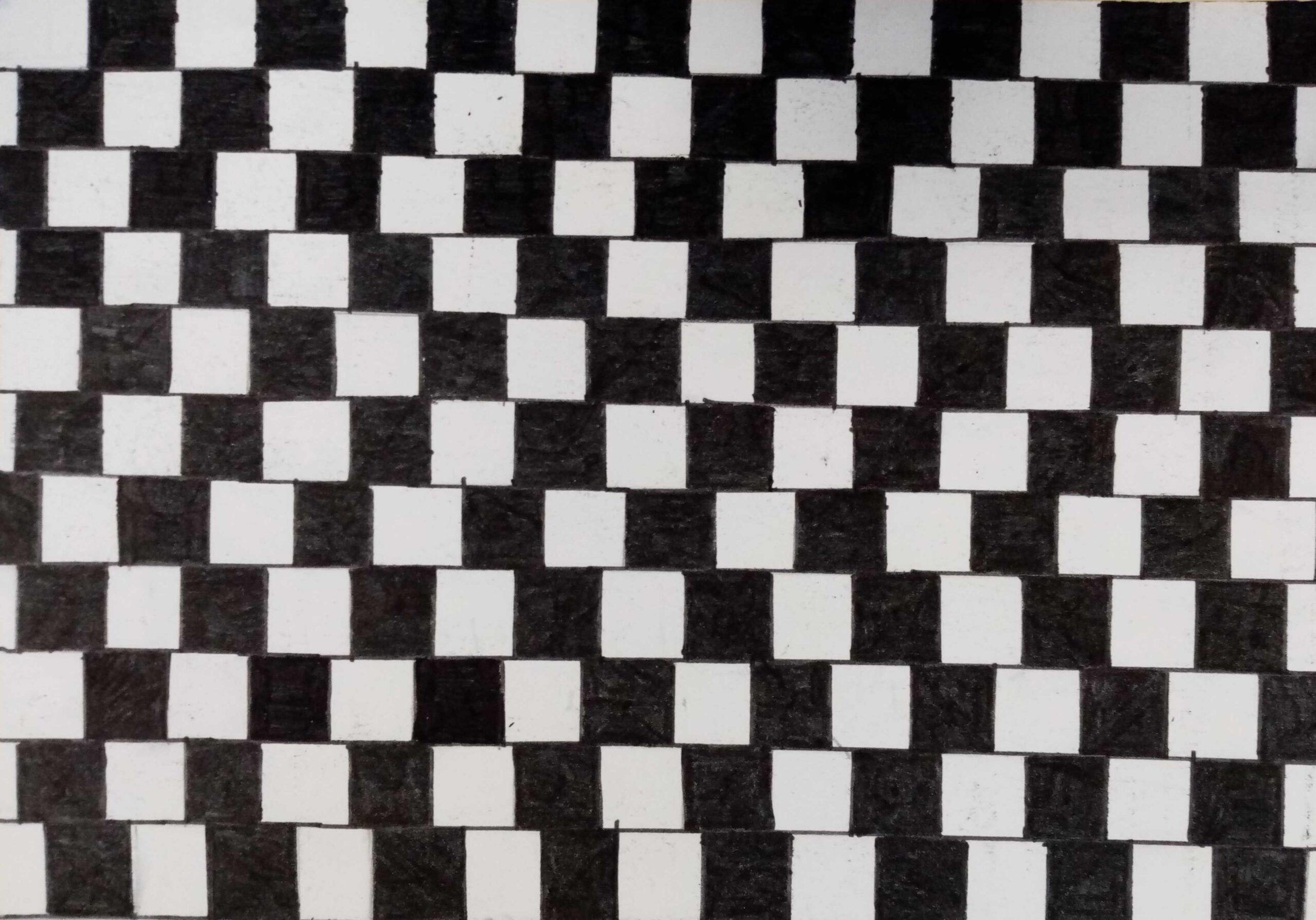
optical illusion parallel lines
https://www.pinterest.es/
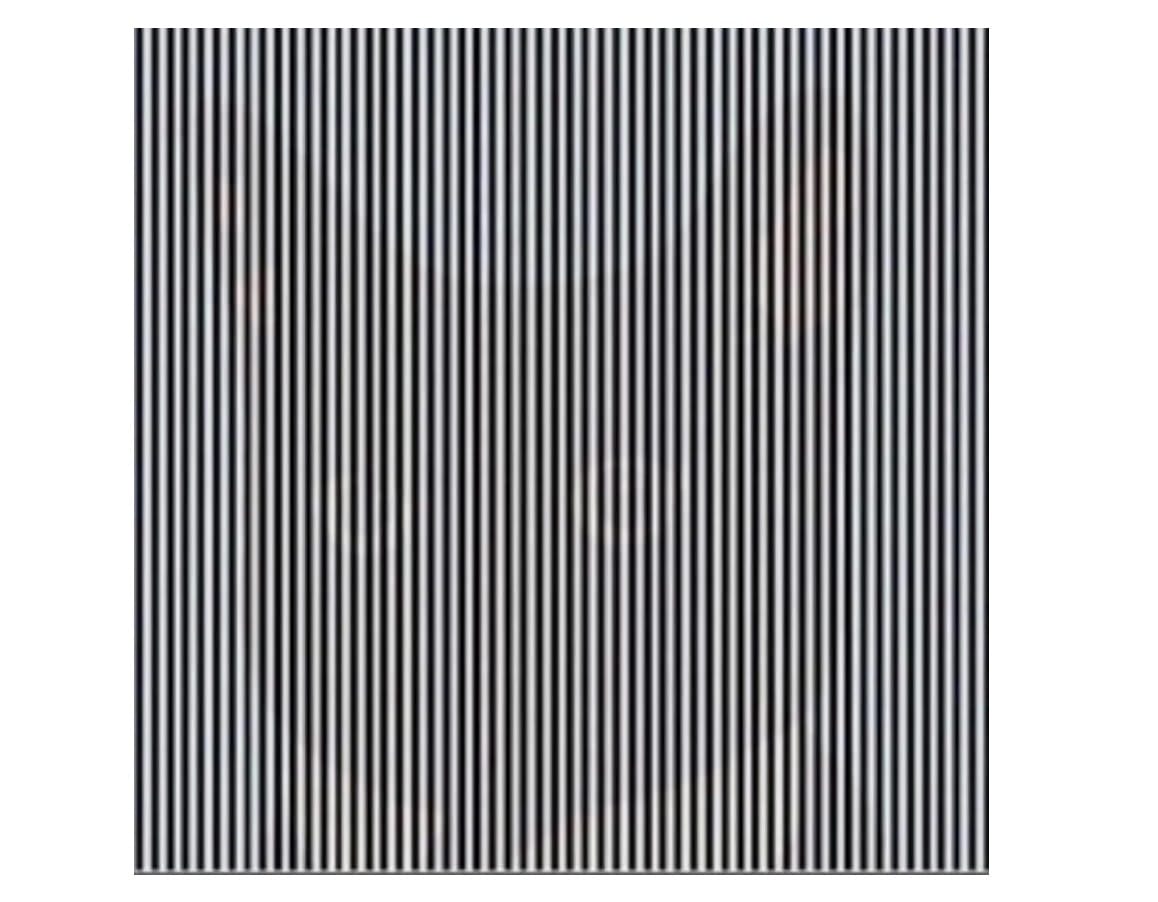
Shake your head and discover the hidden animal
https://www.businessinsider.es/
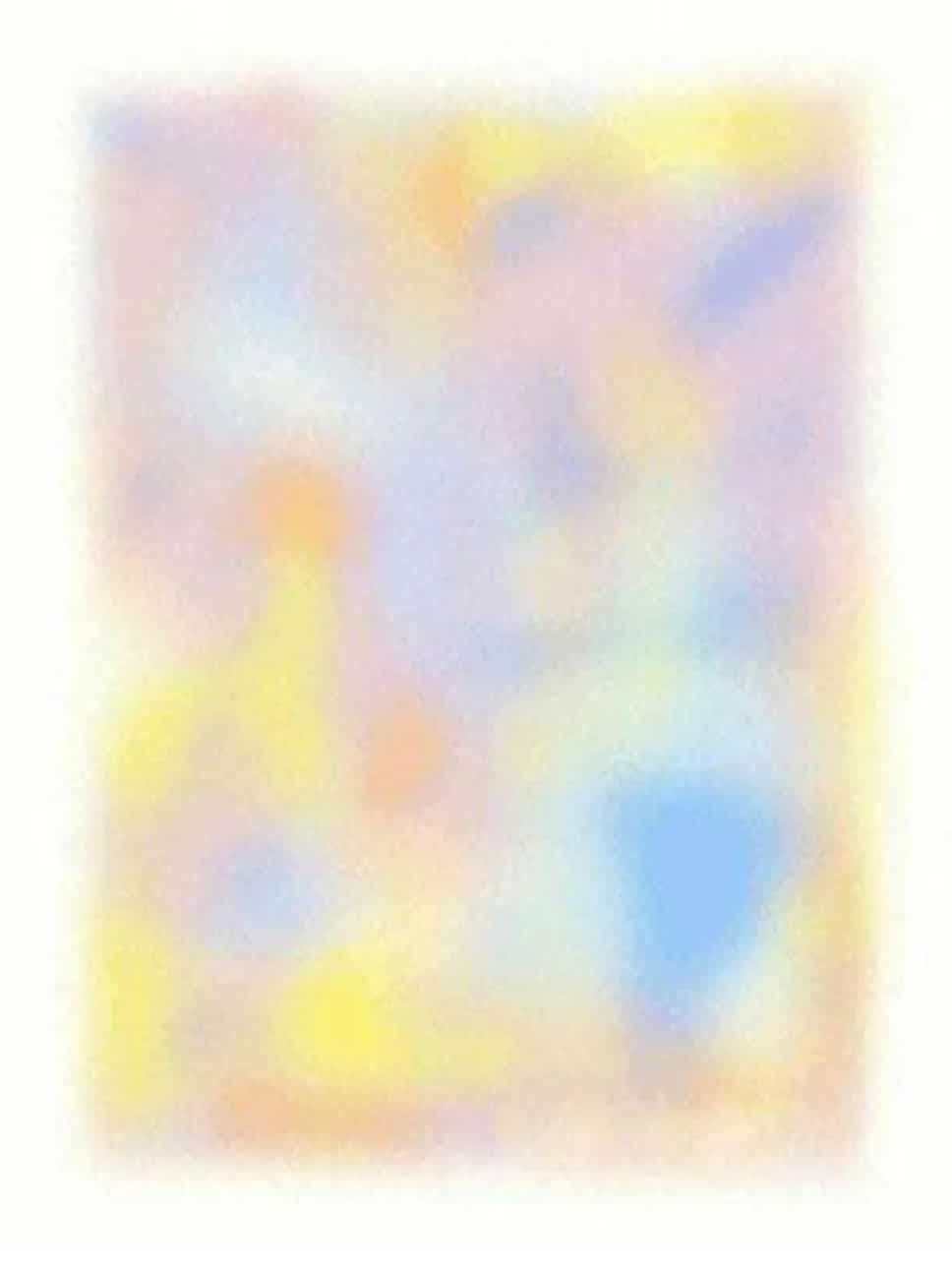
Concentrate for 30 seconds and say goodbye to the image
You may be surprised by the simplicity of some of them and the explanation behind them. Optical illusions awaken different signals in our minds, as we have seen, becoming really confusing.
These have been a small compilation of some different examples of optical illusions, but there are many that we can find both on websites, social networks or even in an art exhibition which can cause you a feeling of bewilderment trying to interpret what What are we watching.
Table of Contents
- 1 What is an optical illusion?
- 2 Why do these types of effects occur?
- 3 Types of optical illusions
- 4 examples of optical illusions
- 4.1 Optical illusion circles between the rectangles
- 4.2 Fairy tale optical effect
- 4.3 Optical illusion spiral movement
- 4.4 volume optical effect
- 4.5 Optical illusion moving circles
- 4.6 Visual effect Are you sure it's a frog?
- 4.7 optical illusion parallel lines
- 4.8 Shake your head and discover the hidden animal
- 4.9 Concentrate for 30 seconds and say goodbye to the image